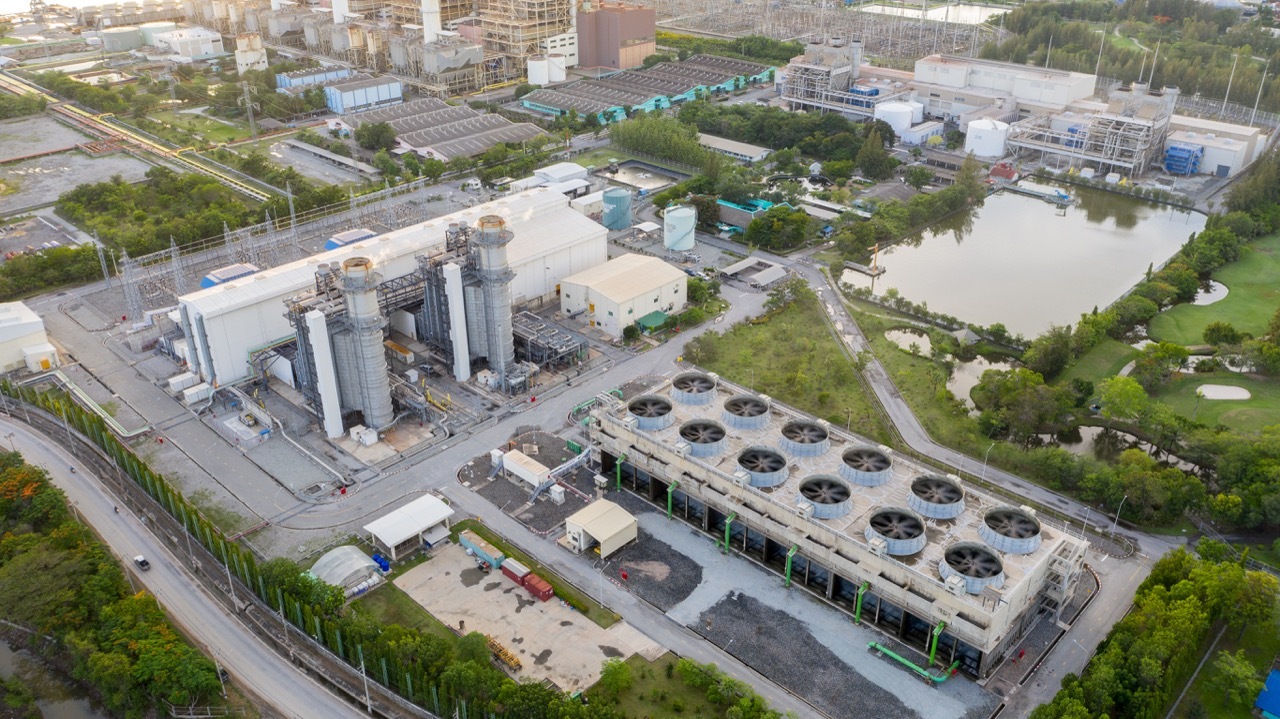
Industrial Fans & Blowers for Power Generation
Engineered airflow solutions for combustion air, boiler draft, emissions control, flue gas handling, and critical power generation processes.
AIRPRO // INDUSTRIES
Industrial Fans for Power Generation Applications
Power generation applications depend on reliable, precisely controlled airflow to support combustion, maintain boiler draft, move flue gas, control emissions, and keep critical plant processes operating efficiently. From combustion air entering the system to treated exhaust leaving the stack, industrial fans and blowers are essential to maintaining plant performance.
AirPro designs and manufactures heavy-duty centrifugal fans and blowers for the demanding conditions found throughout power generation applications. Our custom-engineered solutions are built to handle high temperatures, corrosive gases, particulate-laden airstreams, changing load conditions, and the continuous-duty requirements of mission-critical power generation equipment.
WHY AIRPRO
36-Month Warranty
Industry-leading 3-year warranty coverage.
Built for Continuous Duty
Heavy-duty designs engineered for critical processes where fan reliability directly impacts plant availability.
Engineered for Harsh Airstreams
Materials, coatings, wheel designs, seals, & accessories selected for high temperatures, corrosive gases, particulate, & demanding process conditions
ISO 9001:2015 Certified
Consistent, reliable manufacturing quality.
Application-Specific Engineering
Custom designs built around your actual airflow, pressure, temperature, gas composition, & system requirements.
All-Brand Replacement Parts & Retrofits
Replacement, reverse engineering, & retrofit support for existing power plant fans regardless of OEM.
Factory-Backed Service
Startup, commissioning, troubleshooting, maintenance, repair, & field support.
Power Generation Systems That Rely on Industrial Fans
Industrial fans and blowers support airflow throughout a wide range of power generation applications, facilities and systems, including:
- Natural gas, coal-fired, biomass, and waste-to-energy power generation
- Combined heat and power (CHP) and cogeneration systems
- Industrial steam and utility boiler systems
- Heat recovery steam generator (HRSG) systems
- Pollution and emissions control systems
- OEM-packaged equipment and EPC-designed power systems
Finding the right solution
Power Generation Fan Types, Arrangements & Design Considerations
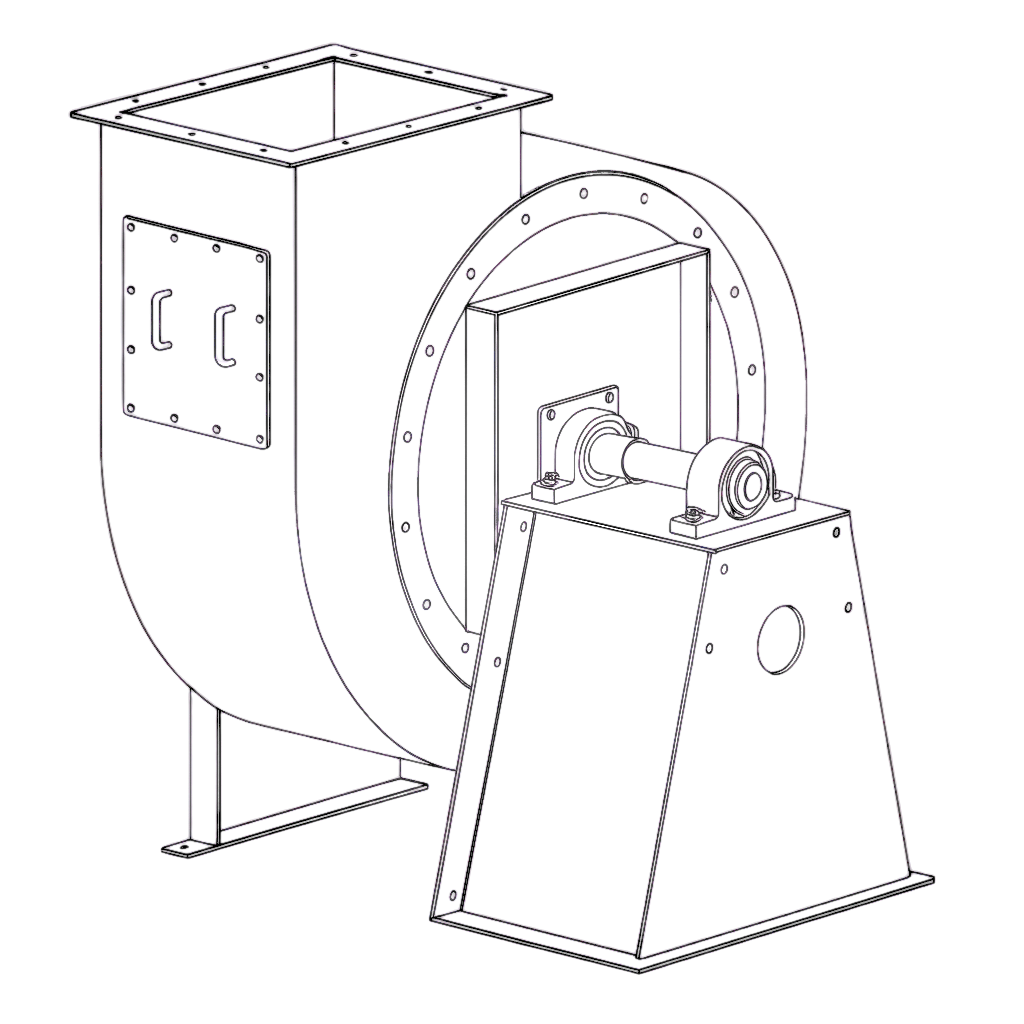
Power generation fans must be matched to the specific airflow, pressure, temperature, airstream, and operating requirements of the application. AirPro engineers each fan or blower around these conditions, selecting the right fan type, arrangement, materials, and accessories for reliable, efficient performance.
Common industrial fan designs used in power generation applications:
Backward Curved
BCES / BCHS / BCHD – High-Volume Designs
High-efficiency centrifugal fans well suited for large forced draft, induced draft, boiler, and pollution control applications. Backward curved designs offer efficient performance and a non-overloading power characteristic, making them a strong option for high-volume continuous-duty systems.
Backward Inclined
BIHS / BIHD – High-Volume Designs
Backward inclined wheels provide efficient airflow for clean to lightly contaminated airstreams. They are commonly considered for combustion air, forced draft, induced draft, cooling, and other high-volume applications.
Backward Curved
BCLS / BCMS – Low- to Medium-Volume Designs
Narrower backward curved wheel designs provide efficient performance where the application calls for lower airflow at higher static pressure, including certain boiler, combustion, dilution air, and process applications.
Additional Fan Types for Specific Duties
Well-suited for process airstreams where particulate, contamination, corrosion, or more rugged wheel construction must be considered.
Heavy-duty options for dust, ash, material handling, and other particulate-laden airstreams.
Used for lower-volume, high-static-pressure duties such as combustion air, burner air, SCR reagent systems, dilution air, seal air, and other auxiliary processes.
Fan selection considerations for power generation:
Power generation fans often operate continuously and may directly affect plant output, efficiency, emissions performance, and availability. Fan selection should account for both the design duty point and the range of operating conditions the system will experience. Key considerations include:
- Airflow & Pressure –
Match fan capacity to required airflow and system resistance across boilers, ductwork, emissions equipment, and other process components. - Operating Temperature –
Account for normal and upset temperatures when selecting materials, clearances, bearings, seals, and coatings. - Gas Composition –
Moisture, acidic compounds, and combustion byproducts may require corrosion-resistant materials or coatings. - Particulate Loading –
Ash, coal dust, biomass, and other solids can cause buildup, erosion, imbalance, and wear. - Continuous Duty –
Around-the-clock operation requires robust construction, reliable bearings, and long-term mechanical durability. - Plant Turndown –
VFDs, inlet vanes, and other controls help maintain efficient airflow as generating load changes. - Efficiency –
Proper fan sizing and selection can reduce the significant energy demand of large process fans. - Redundancy –
Critical processes may require backup fans to maintain operation during maintenance or equipment failure. - Existing Infrastructure –
Retrofit fans may need to accommodate existing ductwork, foundations, motors, and dimensional constraints. - Emissions Control –
SCR, scrubber, and dust collection systems require stable airflow across changing process conditions.
Fan arrangements commonly used in power generation applications:
Fan arrangements define how the fan, shaft, bearings, and motor are mounted and driven. Power generation systems may require anything from compact direct-drive blowers to large center-hung fan assemblies.
Arrangement 8
A common direct-drive configuration for industrial forced draft and induced draft applications. The fan shaft connects directly to the motor shaft through a flexible coupling, helping reduce transmission losses while keeping the motor separate from the fan shaft.
Arrangement 7
Used for larger fans and high-horsepower applications. The wheel is supported between bearings for additional shaft support and long-term mechanical reliability. An integral inlet box is typically incorporated into the design.
Arrangement 4
A compact direct-drive arrangement where the fan wheel mounts directly on the motor shaft. Common for smaller forced draft, combustion air, dilution air, and pressure blower applications.
Arrangement 1
A belt-driven configuration where the fan and motor mount separately to a common unitary base. Belt drive allows fan speed to be selected independently from motor synchronous speed and can provide flexibility for certain retrofit applications.
Arrangement 3
A center-supported arrangement with bearings located on either side of the wheel. This configuration may be considered for high-temperature, high-load, or other demanding fan applications.
Arrangement 9
A belt-driven configuration with the motor mounted to the side of the fan pedestal. This arrangement can be useful where space, speed flexibility, or existing equipment layout favors a belt-driven design.
Fan design & accessory considerations for power generation:
Power generation fans must account for high temperatures, corrosive flue gas, abrasive particulate, changing plant loads, and continuous-duty operation. Application-specific engineering helps ensure the fan materials, components, controls, and accessories are matched to the actual process conditions.
Materials of Construction
Material selection should be based on operating temperature, gas chemistry, particulate characteristics, expected equipment life, and maintenance strategy.
Carbon steel is commonly used for clean-air forced draft and auxiliary applications, while high-temperature carbon steel may be specified for elevated-temperature service. For corrosive, chemically aggressive, or particulate-laden airstreams, additional material and wear-protection options may include:
- Stainless Steel / Specialty Alloys – for corrosive or chemically aggressive airstreams
- Abrasion-Resistant Materials – for ash and particulate-laden applications
- Wear Plates / Liners – to protect high-wear areas and extend service life
- Specialty Coatings – to provide added corrosion and erosion resistance
Industrial fans for power generation applications often have several or all the following items included:
High-Temperature Components
- High-Temperature Construction – for elevated process temperatures and thermally demanding operating conditions
- Cooling Wheel / Bearing Heat Protection – to reduce heat transfer from the fan shaft to the bearings
- Thermal Insulation – to manage surface temperatures where required
- Custom / Purge Shaft Seals – to help isolate hot, contaminated, or corrosive process gas
- Flex Connectors / Expansion Joints – to accommodate thermal expansion and duct movement
Airflow Control & Process Integration
- Variable Frequency Drives (VFDs) – for speed control, efficient turndown, and smooth startup
- Variable Inlet Vanes / Outlet Dampers – for airflow control and system balancing
- Actuators and Positioners – for automated, repeatable airflow adjustment
- Inlet / Mixing Boxes – for compact duct transitions and controlled airflow mixing
- Windbox Packages – for distributing combustion air to burners or boiler systems
Environmental
- Inlet Filters / Screens – to protect clean-air fan systems from debris and contaminants
- Inlet / Outlet Silencers – to meet site noise requirements
- Weather Hoods – to protect fan openings and equipment in outdoor installations
- Vibration Isolators – to reduce vibration transmission to surrounding structures
Maintenance & Condition Monitoring
- Split Housing – for easier access to the wheel and internal fan components
- Bolted Access Doors – for inspection and routine maintenance
- Extended Lube Lines – for accessible bearing lubrication in high-temperature or confined installations
- Vibration and Temperature Sensors – for condition monitoring and early detection of mechanical issues
Replacement Power Gen Fans, Retrofits & Outage Support
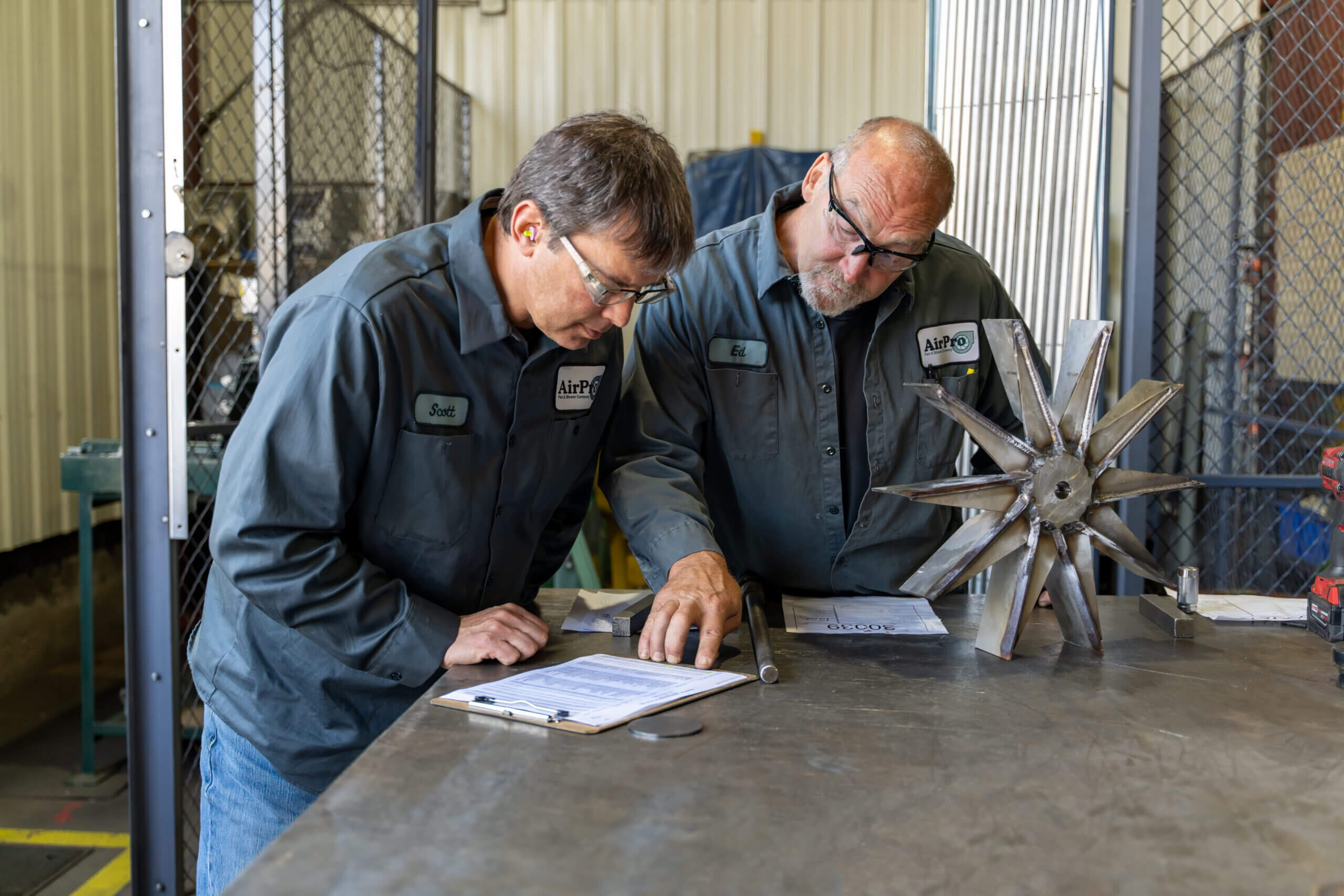
Power generation applications often need to upgrade or replace fans without redesigning the surrounding system. Existing foundations, ductwork, electrical infrastructure, equipment clearances, and outage schedules can create strict requirements for the replacement unit.
AirPro can evaluate existing equipment and engineer replacement or retrofit fans around critical dimensions and operating requirements. Depending on the project, this may include:
- Match existing inlet, outlet, foundation, and dimensional requirements
- Reuse existing motors and infrastructure where practical
- Improve airflow, pressure, efficiency, and overall fan performance
- Upgrade wheel, shaft, bearing, materials, and wear protection
- Add VFD controls, condition monitoring, and maintenance access
- Reverse engineer obsolete or unsupported equipment
- Provide replacement parts for AirPro and other manufacturers’ fans
The goal is to improve reliability and performance while minimizing the amount of surrounding plant equipment that needs to change.
Industrial Fan Applications Supporting the Power Generation Industry
Power generation facilities and applications rely on centrifugal fans and blowers to support combustion, control emissions, and move process air and flue gas safely and efficiently. Common applications include:
Combustion Air
Combustion air fans supply the controlled airflow boilers, furnaces, incinerators, and process burners need for efficient, consistent combustion.
Air Scrubbers
Scrubber fans move contaminated flue gas through treatment systems where pollutants and corrosive compounds are removed before exhaust.
Pollution Control
Fans move contaminated air and flue gas through emissions control equipment, helping power generation facilities meet environmental requirements.
Dilution Air
Dilution air fans introduce clean ambient air into process streams to reduce contaminant concentrations and support emissions control systems.
SCR Systems
Fans and blowers provide the airflow and pressure required to support Selective Catalytic Reduction systems used to reduce NOx emissions.
Induced Draft
Induced draft fans pull flue gas through boilers, emissions control equipment, and exhaust systems while maintaining the required negative pressure.
Dust Collection
Fans create the airflow needed to capture ash, coal dust, biomass particles, and other airborne solids and move them through particulate control equipment.
Flue Gas Recirculation
Flue gas recirculation fans return a portion of exhaust gas to the combustion process to help control temperature, performance, and emissions.
FEATURED FAN
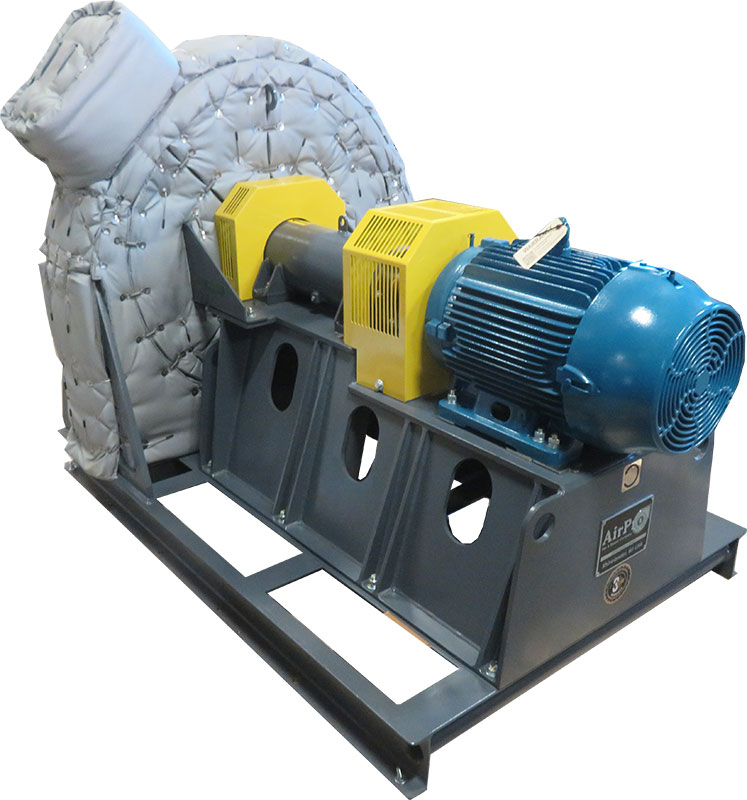
Custom High-Temp Fan for Heat Recovery Steam Generator
AirPro engineered a custom high-pressure fan for a heat recovery steam generator (HRSG) used to recover combustion heat and generate steam for power production. Designed for temperatures up to 840°F, the fan incorporates specialized sealing, bearing protection, and insulation for reliable high-temperature operation.
- Product Type: HP1S (high-pressure blower)
- Description: Size 045; Arr. 8D; 840°F max design temp
- Performance: 900 CFM at 35″ w.g.
- Features: Carbon ring shaft seal, oil-lubricated bearing assembly, exterior insulation, and raised access door.
High-Quality Support for Power Gen Fans & Blowers


Connect with a Power Generation Fan Application Expert
Our experienced application engineers are ready to help you find the right fan. Whether you’re replacing an existing unit or designing a new system, we’ll make sure you get a solution that fits your specs, timeline, and budget.
Call, email, or submit your info to get started and our team will respond quickly.