myAirPro Fan Selection & Pricing Tool
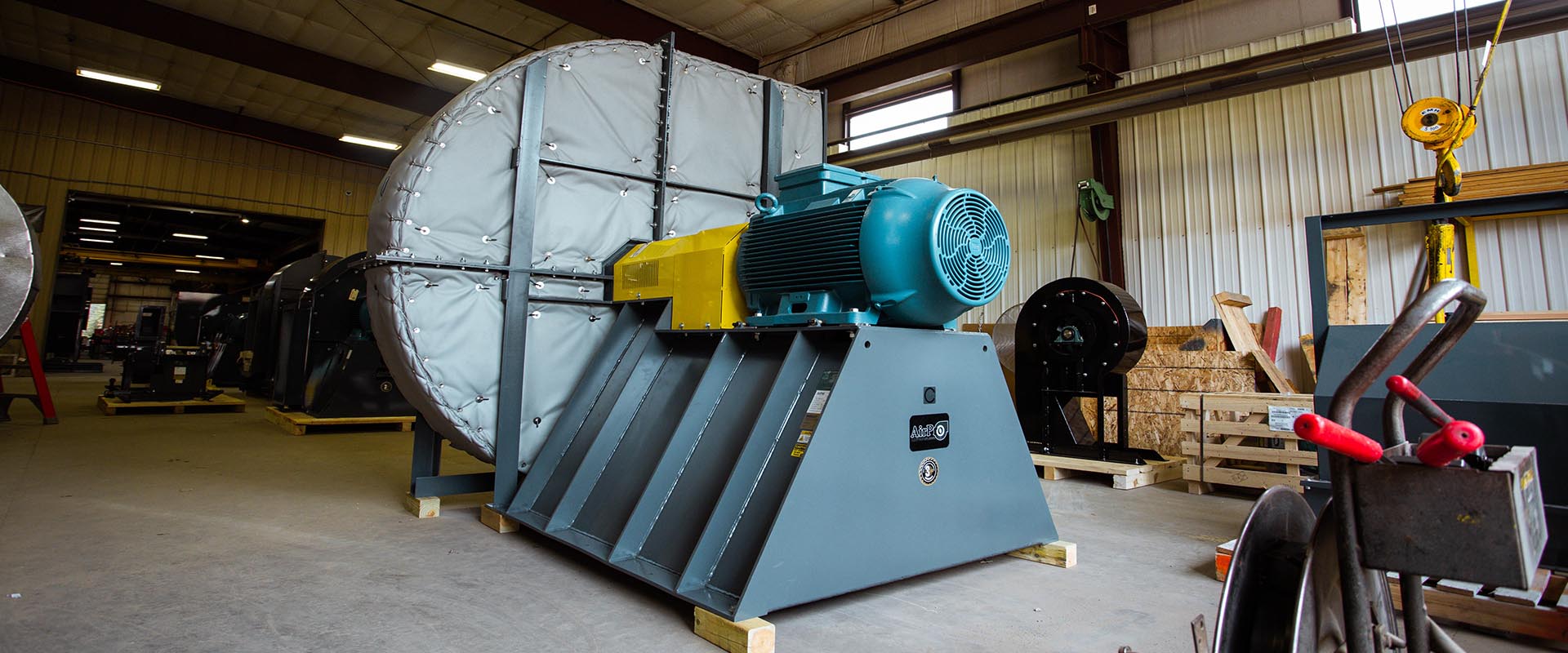
AirPro’s web-based industrial fan selection tool for engineers.
myAirPro // Connect
What You’ll Get with the myAirPro Fan Selection Tool
Instant Budgetary Pricing
See real costs instantly without waiting for quotes.
Complete Performance Data
View detailed curves, power, efficiency, noise, etc. for every selection.
Side-by-Side Comparisons
Explore multiple fan configurations independently to find your best solution.
Enhanced Transparency
Explore multiple fan configurations independently to find your best solution.
Zero Downloads Required
Access powerful selection tools from any browser, including mobile.
Built for Project Planning
Get the technical specs you need, 24 hours a day.

Sign Up for Access to myAirPro
After you sign up, you should receive your account information within 24 hours. We’ll also send a quick tutorial on how to select and price a fan—and our application engineers are always available to help
Not sure if the online tool is the right starting point? The considerations below will help you decide whether to use myAirPro or simply call and work directly with an application engineer.
At a high level, below are five considerations that will help you make the most informed decision with your fan or blower selection.
1. Fan Type: Centrifugal vs. Axial
The first step is to see whether you need a centrifugal blower (a.k.a. centrifugal air blower) or an axial fan.
The basic difference between the two is that the centrifugal blower changes the air flow at 90° whereas the axial fan moves air parallel to its axial. If you have any doubt about this step, consult with your centrifugal fan manufacturer.
2. How Much Air You Need to Move
Whichever type you select, a centrifugal air blower or axial fan, you must consider the amount and consistency of the air you want to move. Whether you need to exhaust contaminated air or move small particles, it is crucial that you choose the appropriate model with the appropriate airflow capacity.
3. System Resistance (Static Pressure)
Static pressure is the friction created by the moving air in the pipe or duct. The backward inclined fan and the backward curved fan are manufactured to handle high volumes of air in high static pressures. The difference between the two types is that the backward inclined fan handles less static pressure but offers lower sound levels, whereas the backward curved fan can handle almost double the static pressure.
4. Operating Conditions
Most centrifugal air blowers are selected using a standard measure, assuming standard altitude and temperature. If this standard is subject to change, be sure that you account for temperature and altitude when making your fan or blower selection.
If you are in doubt, you can refer to a temperature and altitude chart in order to make the right selection.
5. Function: What You’re Moving
Will you be moving materials, clean air, or perhaps polluted air?
Before making your selection, it is important to remember that backward curved fans are powerful but mostly used for clean air, whereas the centrifugal air blowers (i.e. Industrial Exhausters, High Pressure Blowers) can give you a wider selection of functions.
Please Note: If at any point in your fan or blower selection you feel unsure, you can always contact the engineering team at AirPro for professional assistance. It would be our pleasure and honor to assist you!