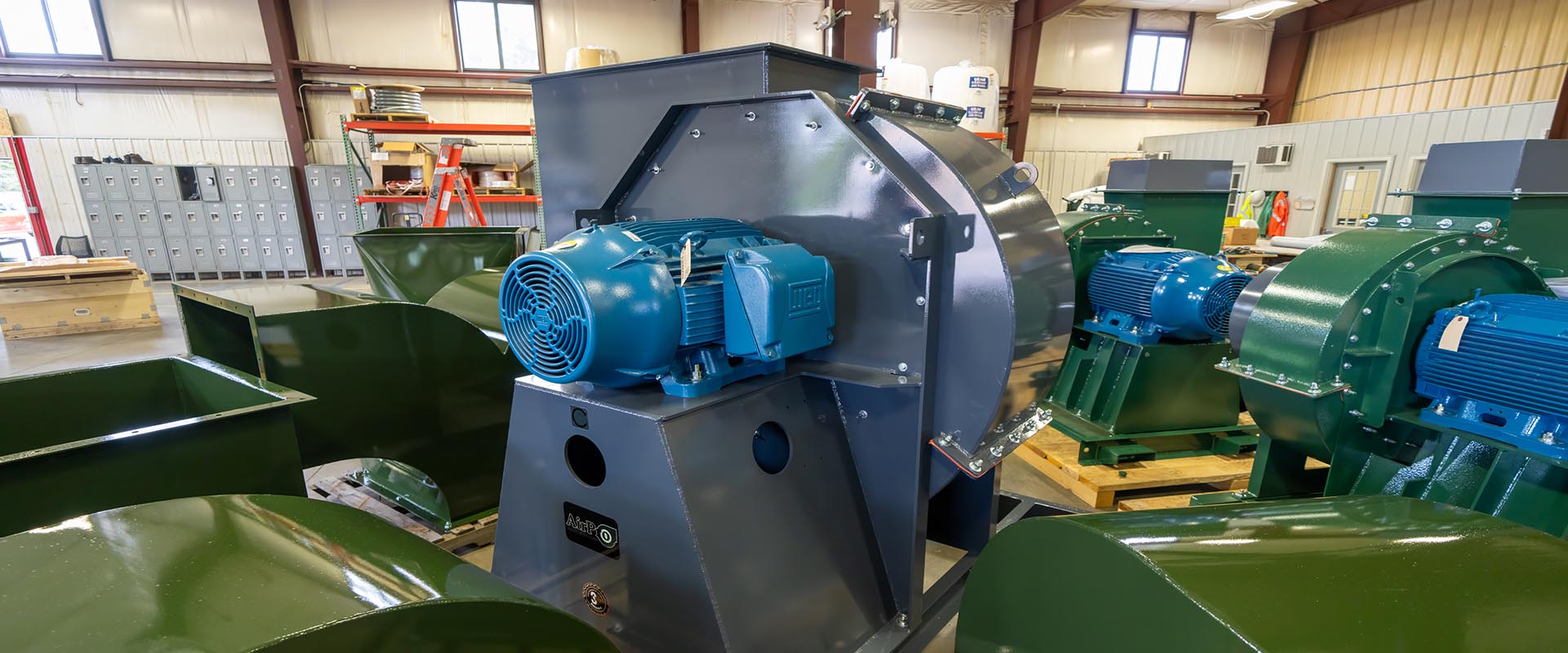
Industrial Backward Inclined Fans & Blowers
Precision-engineered for efficiency, quiet operation, & long-term reliability.
AIRPRO // PRODUCTS
Highly Efficient Backward Inclined Industrial Fans
Industrial Backward Inclined Fan Overview
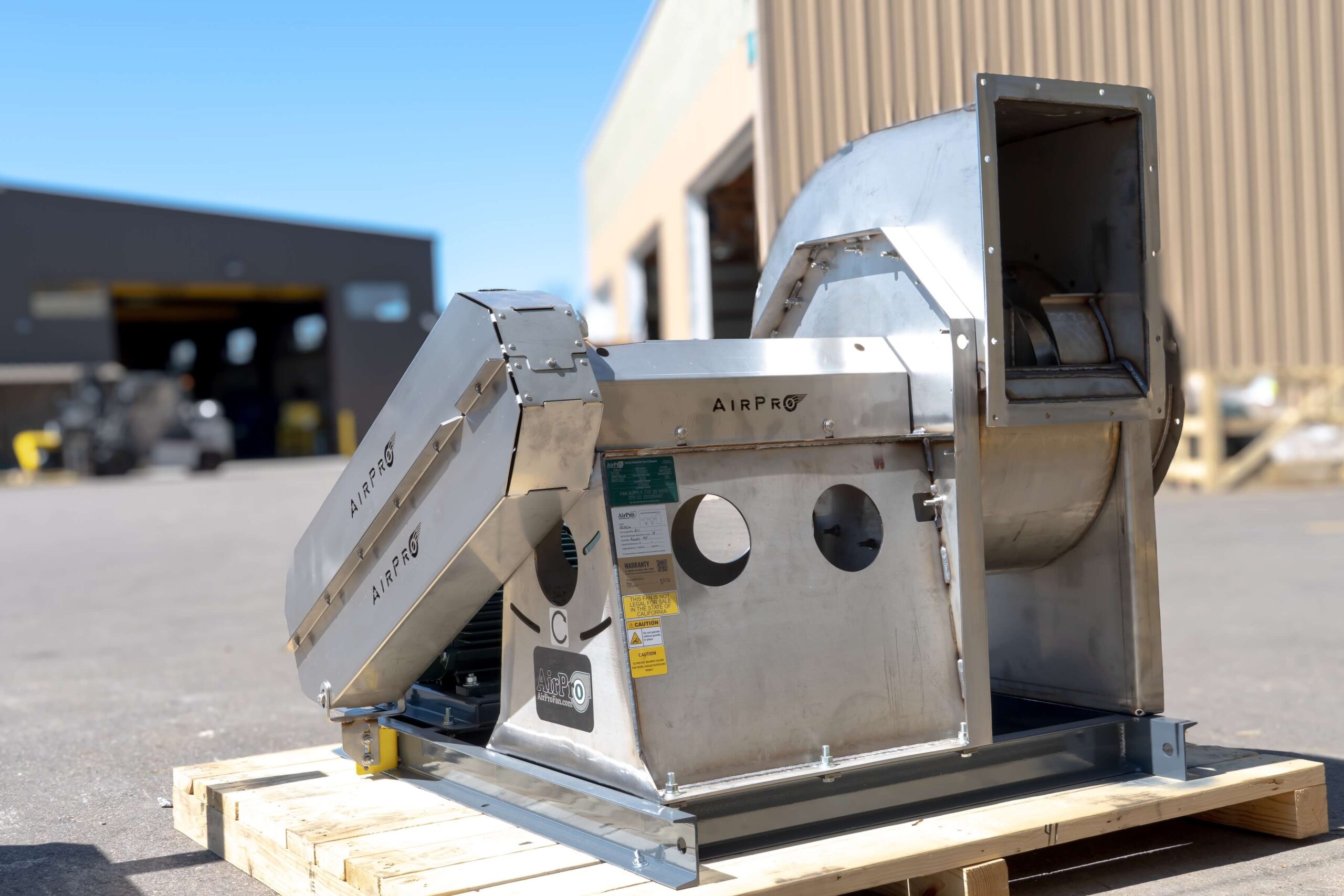
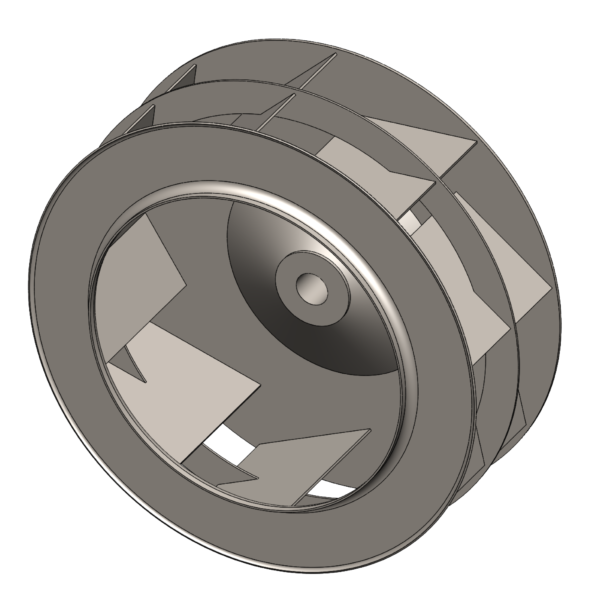
AirPro’s backward inclined (BI) fans and blowers are engineered for efficient, reliable airflow in clean-air and high-temperature industrial applications. Their flat, backward inclined blade design helps reduce airflow interference, supporting lower energy consumption, quieter operation, and dependable performance.
With a non-overloading horsepower design, backward inclined fans are often a strong fit for low-pressure applications where operating cost, reliability, and long service life are priorities. They can support clean-air movement in production facilities, high-temperature exhaust, and other demanding industrial airflow requirements.
Every AirPro backward inclined fan is built with welded, high-grade metals for rugged industrial use. Designed for 24/7 operation, these fans deliver the durability, airflow accuracy, and craftsmanship needed to keep critical systems running.
Industrial Backward Inclined Fan Performance & Design
- Volume: up to 500,000 cfm
- Pressure: up to 60”wg
- Temperature: up to 1800°F
- Static Efficiency: up to 82%
- Drive: belt and direct
AirPro designs and builds both standard and custom industrial fans with an unsurpassed level of quality and service. All of our products are also backed by our industry-leading 3-year warranty.
Backward Inclined Fan & Blower Types
Choosing the ideal model depends on your system’s required air volume, static pressure, gas temperature, and whether the airflow is clean or particulate-laden. AirPro’s experienced application engineers will review your specifications and help you select the optimal fan solution to ensure reliable, efficient performance in your specific operating environment.
BIHS
High-Volume, Single-Width
High-volume backward inclined blower for clean or lightly contaminated, non-abrasive airstreams. Designed for lower static pressure applications, it delivers efficient airflow with temperatures up to 1,800°F, static efficiency up to 80%, and a non-overloading power curve.
BIMS
Medium-Volume, Single-Width
Medium-volume backward inclined blower for clean or lightly contaminated, non-abrasive airstreams. Ideal for applications requiring less volume than the BIHS and less pressure than the BCMS, it offers temperatures up to 1,200°F, static efficiency up to 82%, and a non-overloading power curve.
BILS
Low-Volume, Single-Width
Low-volume backward inclined blower for clean or lightly contaminated, non-abrasive airstreams. Ideal for applications requiring less volume than the BIMS and lower static pressures than the BCLS, it offers temperatures up to 1,200°F and static efficiency up to 78%.
BIHD
High-Volume, Double-Width
High-volume backward inclined fan for clean or lightly contaminated, non-abrasive airstreams. Its double-width BIHS design increases airflow capacity, with temperatures up to 1,000°F, static efficiency up to 74%, and a non-overloading power curve.
FEATURED FAN
Un-Housed Blower for High Volumes of Clean Air
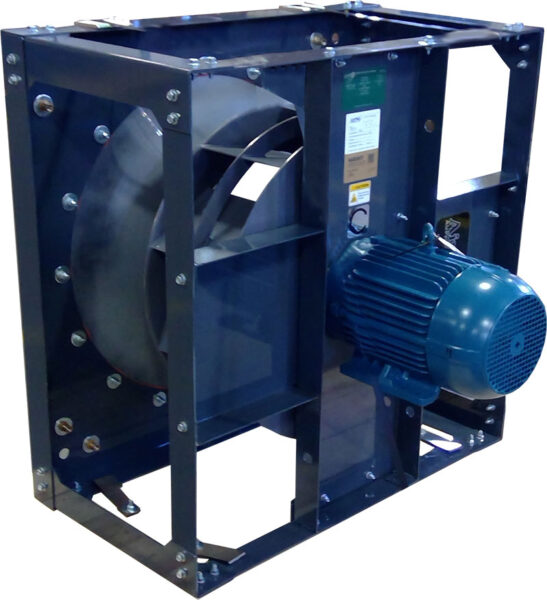
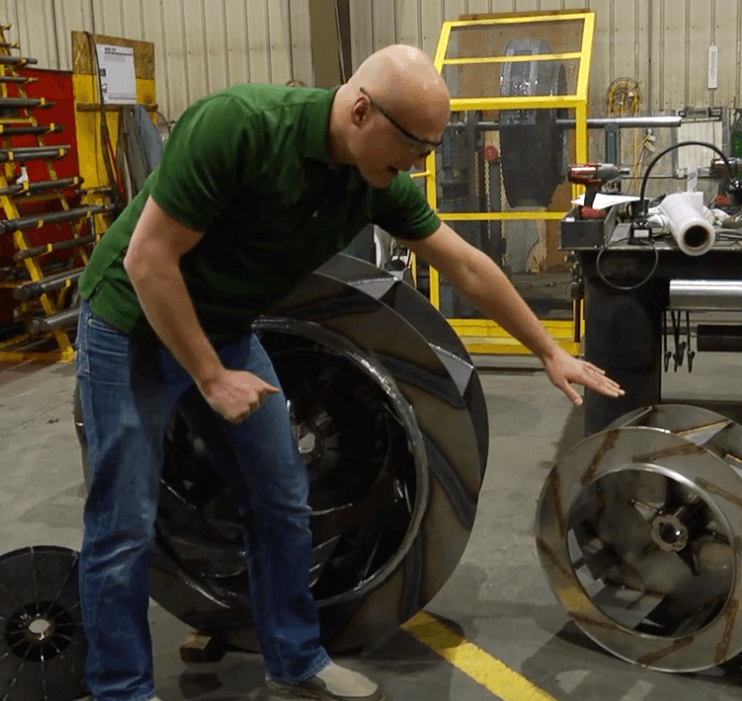
AirPro designed this backward inclined, high-volume, un-housed fan (BIHU) for a commercial HVAC application requiring high volumes of clean air at lower static pressures. We developed this type of backward inclined fan with a focus on high efficiency without compromising mechanical strength.
This fan features a welded carbon steel un-housed wheel with a piezometer ring installed in the spun inlet cone. Credit to our design team for creating a very functional, application-specific fan for the customer’s needs.
- Product Type: BIHU (backward inclined, high-volume, un-housed)
- Application: Commercial HVAC
- Description: Size 270; Class 2; Arr. 4V; 1.8 HP; 150ºF max temp design
- Performance: 14,000 CFM @ 30″ wg static pressure
How the Backward Inclined Fan Works
Backward inclined high-volume fans operate similarly to backward curved designs. Air enters through the center of the wheel, hits the hub, and exits along the blades. The flat blade configuration and gradual leading edge reduces friction quickly and improves construction efficiency, resulting in an economical and high-performing product line.
For high-volume, low-pressure applications, fan selection depends heavily on airflow needs. Double-width blade models boost capacity without increasing wheel diameter and are compatible with belt drive, direct drive, or direct-coupled setups—making them a reliable choice for efficient industrial air movement.

Applications
Common Industrial Backward Inclined Fan Applications
Dust Collection
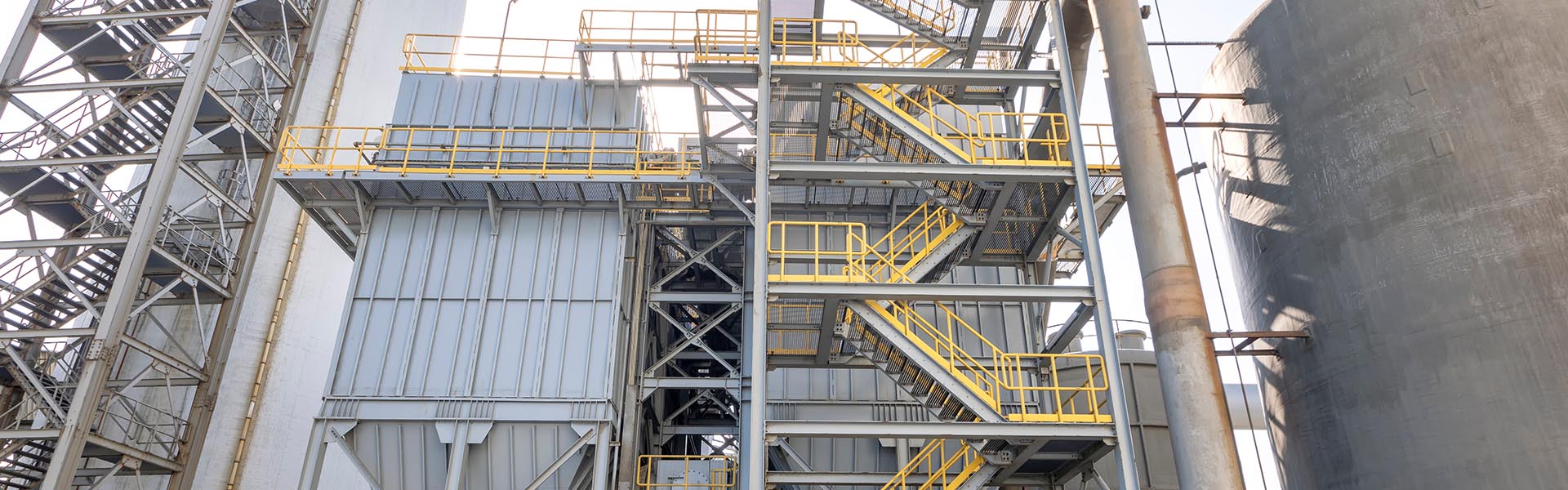
Dust collection systems pull dust-laden air through a collector or baghouse. Backward inclined fans are a strong fit because they provide efficient, reliable induced draft airflow.
Dilution Air
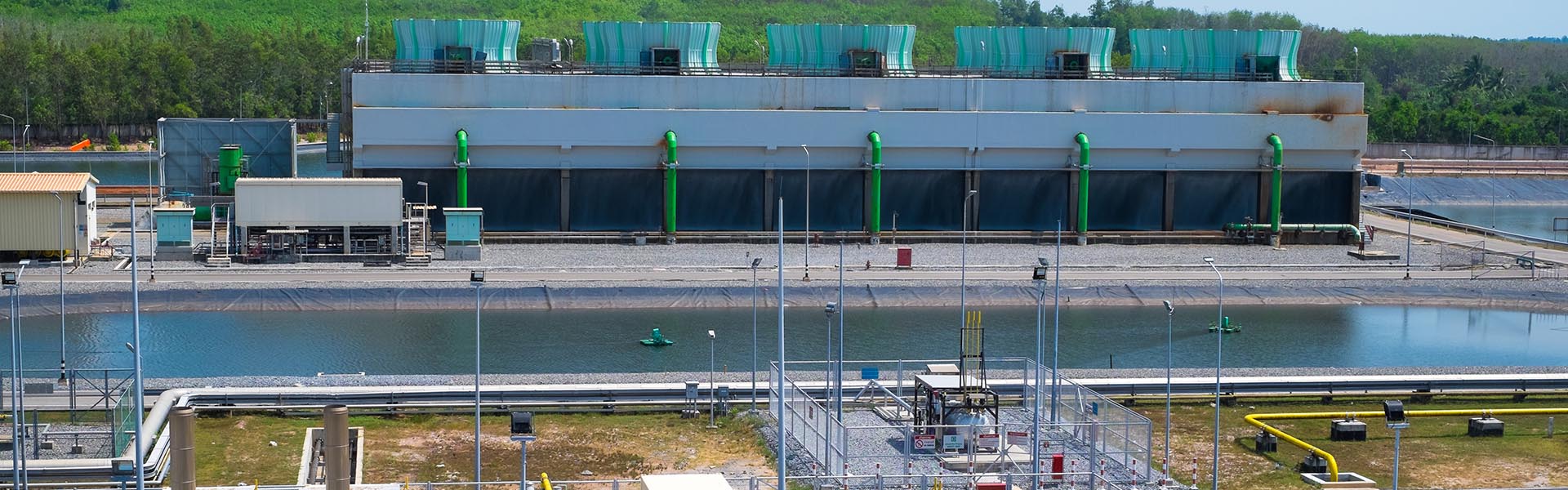
Dilution air systems add clean air to reduce temperatures and contaminant concentrations. Backward inclined fans are a strong fit for efficient airflow in clean air applications.
Tempering Air
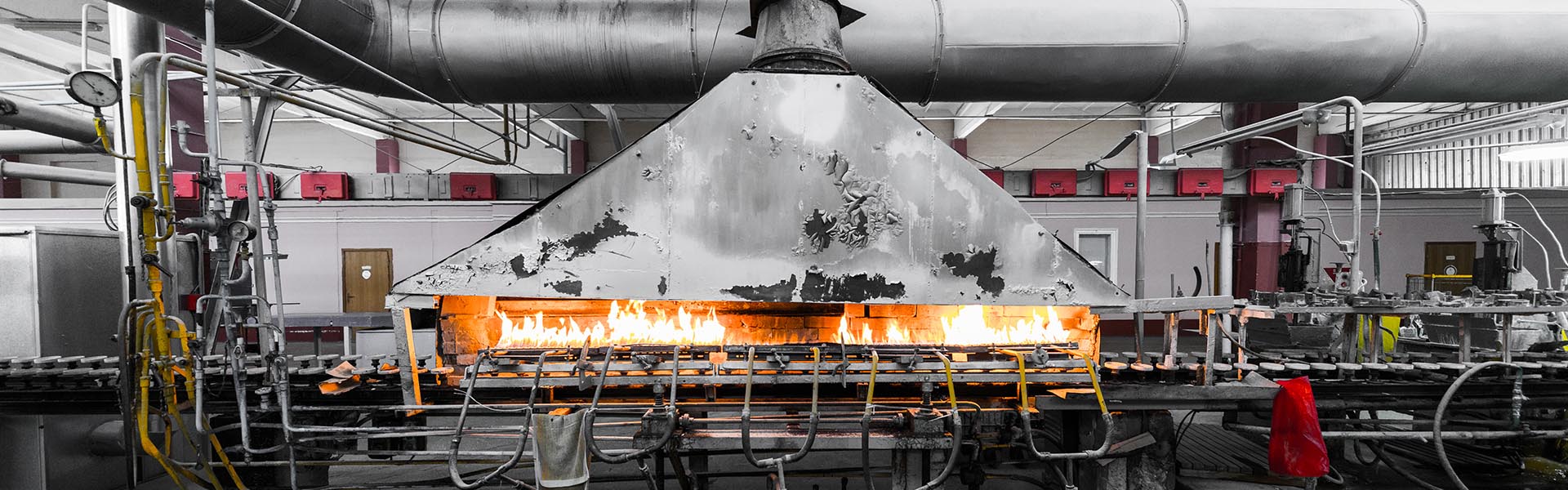
Tempering air systems control air temperature before it enters the process. Backward inclined fans are a strong fit for moving clean air efficiently.
High-Quality Support for Backward Inclined Fans & Blowers
On-Site Startup Assistance
Fan & Blower Maintenance
Air Performance Testing
Fan & Blower Retrofits/Repairs